

Commentary
Why the outcomes of the U.S.-China meetings may be limited.
Aaron David Miller, David Rennie
{
  "authors": [
    "Steve Feldstein",
    "Dara Massicot"
  ],
  "type": "questionAnswer",
  "blog": "Emissary",
  "centerAffiliationAll": "dc",
  "centers": [
    "Carnegie Endowment for International Peace"
  ],
  "collections": [
    "Tech and Democracy",
    "The Iran War’s Global Reach"
  ],
  "englishNewsletterAll": "democracy",
  "nonEnglishNewsletterAll": "",
  "primaryCenter": "Carnegie Endowment for International Peace",
  "programAffiliation": "DCG",
  "programs": [
    "Democracy, Conflict, and Governance",
    "Russia and Eurasia"
  ],
  "regions": [
    "Middle East",
    "United States",
    "Iran",
    "Ukraine",
    "Russia"
  ],
  "topics": [
    "Technology",
    "Military",
    "Defense"
  ]
}
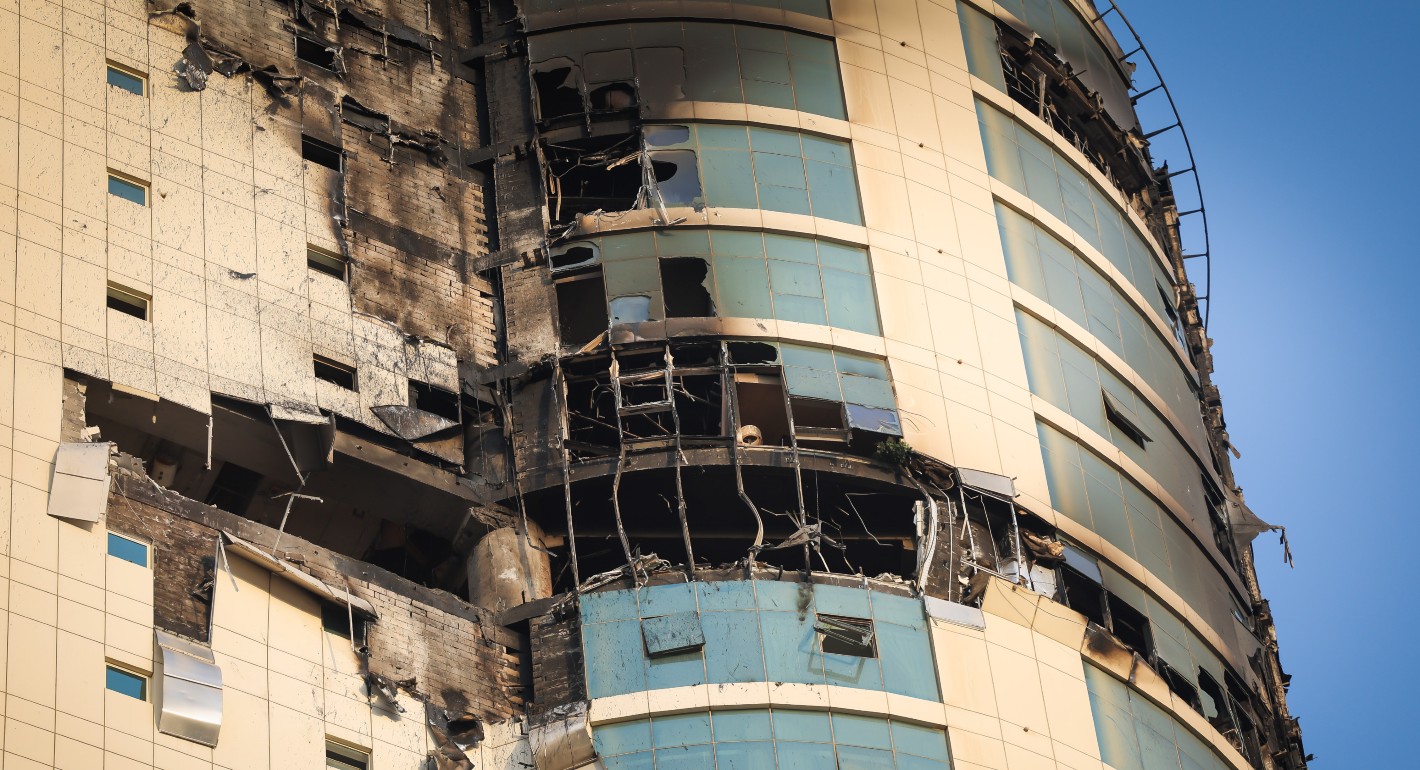
A building damaged by an Iranian one-way drone strike in Manama, Bahrain, on March 1, 2026. (Photo by stringer/Anadolu via Getty Images)
Two experts discuss how drone technology is shaping yet another conflict and what the United States can learn from Ukraine.
In its Iran attacks, the United States used low-cost one-way attack drones for the first time in combat, and Iran has been using its Shahed drones extensively with similar intent. Why is this noteworthy?
Steve Feldstein: There are two aspects here that I think are significant.
First, America’s adoption of one-way attack drones, derived from Iran’s Shahed-136 unit, shows that technological innovation doesn’t flow in a single direction from more advanced states to less advanced ones. Rather, it demonstrates that new innovations come from a variety of sources.
Iran’s designs have clearly showed their benefits, including in Ukraine, to the point where Russia has invested $2 billion in setting up a dedicated factory to produce these drone models (which it calls Geran-2 units). It should come as little surprise that the United States would emulate this design as well.
A second noteworthy aspect is that this drone design underscores the importance of cost efficiency. Simply put, the United States does not possess unlimited resources. It is far more cost-effective to deploy a LUCAS drone—the Low-cost Unmanned Combat Attack System—for about $35,000 apiece, as opposed to using Tomahawk cruise missiles, for roughly $2.5 million apiece for the latest versions. Although Tomahawks may have a far higher success rate, their deployment is constrained by cost. These low-cost drones represent an emerging insight in modern warfare: Mass matters, cost can be decisive, and “good enough” precision can deliver significant advantages.
Dara Massicot: Despite Russia’s extensive and damaging use of one-way attack drones (Geran-2 and its successors) in the past four years against Ukraine, and Ukraine’s ongoing development of counters to these capabilities, it does not appear that the types of low-cost defense solutions Ukraine is using were replicated across Gulf nations or by the U.S. military in the region.
In this conflict so far, Iran is launching hundreds of Shahed drones—as many if not more drones than ballistic missiles—to attrit the air defense systems of Israel, the United States, and its partners in the Middle East and to damage critical facilities. While most are being intercepted—at an impressive rate—that requires extensive resources of near-constant defensive counter air patrols and the use of ground-based air defense systems that are otherwise needed for intercepting inbound Iranian missiles.
How are attack drones changing warfare? What are their roles in this conflict in the Middle East?
Dara Massicot: In Ukraine, Russia uses long-range one-way attack drones to expand its precision strike campaign. These drones are causing extensive damage to Ukraine’s critical infrastructure and are a major problem for Ukraine’s defenders, based on the sheer volume (hundreds each day).
Right now, Iran is using a mixture of ballistic missiles and attack drones. Some are striking U.S. military bases and other critical infrastructure, as well as civilian buildings. The United States, Israel, and Gulf countries are expanding considerable effort to neutralize both threats, using strikes on launch platforms, fighter aircraft, and some exquisite air defense interceptors.
The methods are effective, but targeting drones in this way is resource-intensive and expensive, and it will drain certain types of interceptors quickly. Patriot interceptors in particular must be used against ballistic missiles, and strains to stockpiles will emerge if they are used too extensively against Shaheds. Without other sufficient point defenses at U.S. military installations or critical infrastructure, some Iranian drones are getting through and causing damage across the Middle East.
Steve Feldstein: Despite the emergence of drone warfare and the utility of cheap mass versus expensive precision, conventional weapons appear to be dominant in the early days of the war. If the conflict drags on, however, resource constraints will become a bigger factor; some reports suggest that America’s supply of air defense missiles could face shortages, potentially amplifying the significance of drones.
One thing worth noting is what Shashank Joshi, The Economist’s defense editor, describes as the onset of “horizontal escalation” in the war. Iran has already retaliated against a range of targets, launching drones and missiles at the Gulf states and even deploying a drone against a UK base in Cyprus, enabled by its stockpile of medium- and long-range drones. This is hardly a match for what the United States and Israel are deploying against Tehran, but it’s a meaningful way for the regime to impose costs against its adversaries. As the conflict persists, this aspect could become more relevant.
Dara, you recently wrote about what Russia is learning from its war in Ukraine, and drones played a key role. How might those lessons apply here?
Dara Massicot: Russia has been launching its domestic variant of the Shahed drone at Ukraine for four years. Since 2022, the Ukrainian military has developed proven, layered solutions to shoot down dozens, or at times hundreds, of Shahed drones across Ukraine. They’re using fighter aircraft, helicopters, and jamming or spoofing, as well as point defenses of anti-aircraft guns, interceptor drones, and other low-cost capabilities.
Iran is using similar targeting tactics as Russia, launching hundreds of its Shahed drones against U.S. bases and facilities, as well as bases and critical infrastructure of coalition nations in the Gulf. This is likely the result of shared learning between Russia and its partners, including Iran, China, and North Korea.
Ukraine wants to share its expertise in Shahed defense tactics with its partners. While this learning should have started long ago, now is the time to start—and catch up quickly. The U.S. military and its partners have workaround solutions for their Operation Epic Fury that include air-to-air interception, some jamming, and ground-based missile defense systems. However, they still need additional low-cost point defenses at key facilities, in order to complete layered defenses against Shahed drones—particularly for a prolonged, high-intensity conflict.
Steve, you recently wrote about how “good enough” drones—including Iran’s Shahed drones—have become geopolitical chips. Is that a factor in this conflict, and if so, how?
Steve Feldstein: An important point is that the world is entering a new age of drone war, as unmanned aircraft are proliferating on the battlefield in major conflicts and smaller ones. They are providing new options to adversaries on the ground and offering asymmetric means for weaker militaries to impose costs on larger ones. In 2025, the data showed that there were 58,272 air/drone events leading to 32,769 fatalities. These numbers will only climb as drones become a mainstay on the battlefield.
What will you be watching, in terms of drone use, as this conflict unfolds?
Dara Massicot: I will be watching closely to observe any changes in the interception rates for ballistic missiles and one-way attack drones over time, because ground-based air defense interceptor missiles are not infinite, and the United States and its partners and allies have had stockpile challenges in this area for years.
Steve Feldstein: I’ll be watching closely how Iran and its proxies choose to deploy their drone stockpiles; how the United States, Israel, and their allies respond; and what new lessons emerge about the use of these tools.
The latest from Carnegie scholars on the world’s most pressing challenges, delivered to your inbox.

Senior Fellow, Democracy, Conflict, and Governance Program
Steve Feldstein is a senior fellow at the Carnegie Endowment for International Peace in the Democracy, Conflict, and Governance Program. His research focuses on technology, national security, the global context for democracy, and U.S. foreign policy.

Senior Fellow, Russia and Eurasia Program
Dara Massicot is a senior fellow in the Russia and Eurasia Program at the Carnegie Endowment for International Peace. Her work focuses on defense and security issues in Russia and Eurasia.
Carnegie does not take institutional positions on public policy issues; the views represented herein are those of the author(s) and do not necessarily reflect the views of Carnegie, its staff, or its trustees.
Why the outcomes of the U.S.-China meetings may be limited.


Aaron David Miller, David Rennie

Instead, governments should adopt climate-friendly measures to address the impact of rising prices.

Henok Asmelash
Tehran may conclude that its ability to disrupt the global economy via the Strait of Hormuz provides enough deterrence to begin quietly rebuilding its nuclear program.

Jane Darby Menton, Mohammad Ayatollahi Tabaar
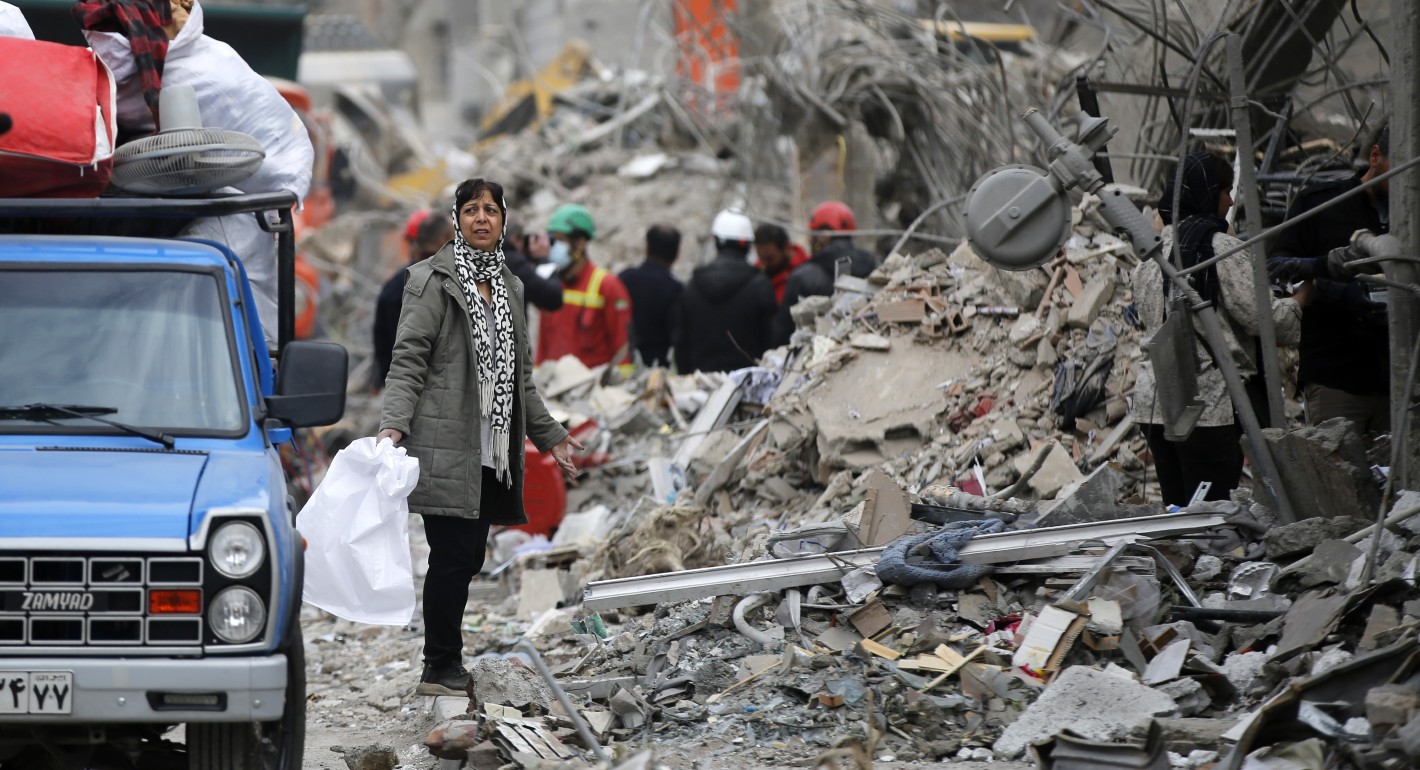
Here’s why—and what the next president needs to do to fix the process.

Daniel C. Kurtzer, Aaron David Miller
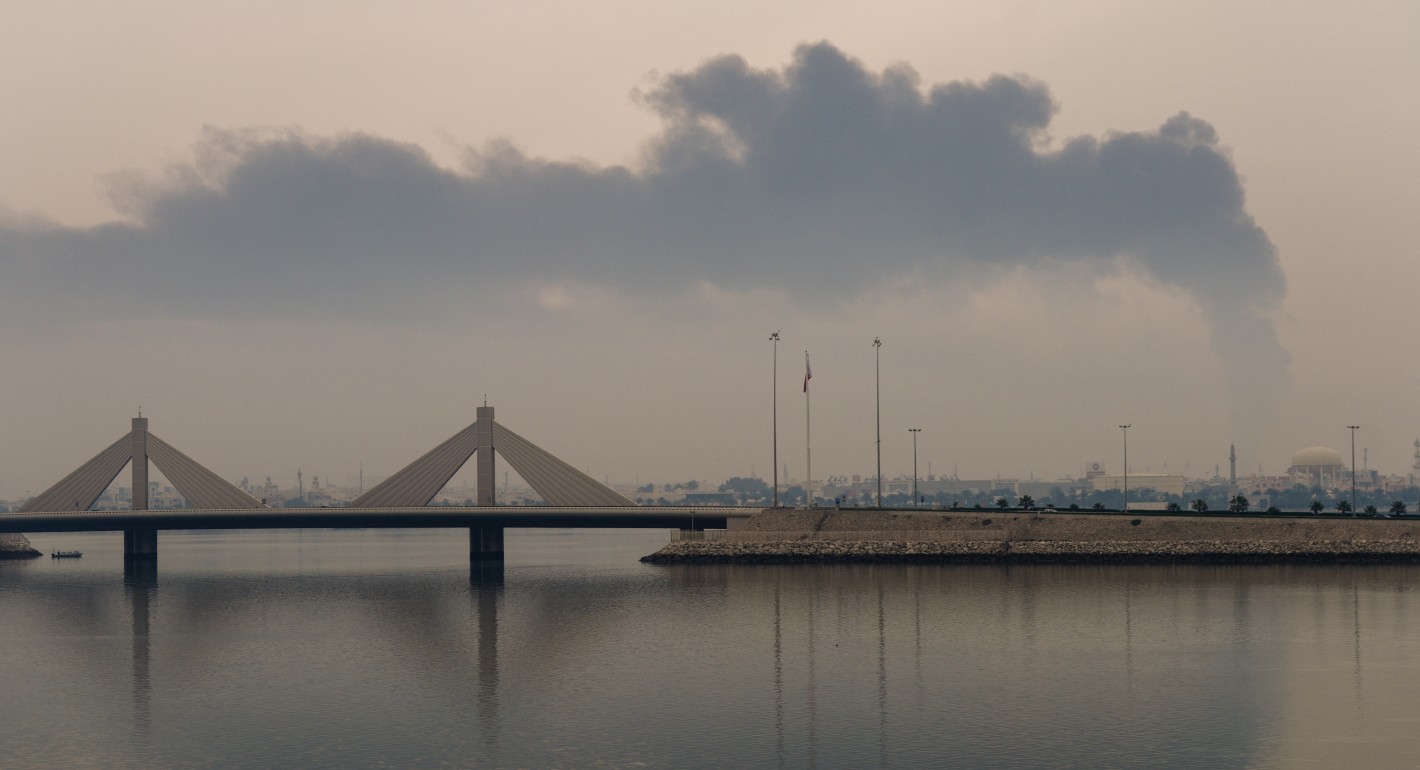
The conflict is exposing the flaws and fissures of their domestic governance and social cohesion.

Frederic Wehrey, Charles H. Johnson