

Commentary
Artyom Shraibman
{
  "authors": [
    "Artyom Shraibman"
  ],
  "type": "commentary",
  "blog": "Carnegie Politika",
  "centerAffiliationAll": "",
  "centers": [
    "Carnegie Endowment for International Peace",
    "Carnegie Russia Eurasia Center"
  ],
  "englishNewsletterAll": "",
  "nonEnglishNewsletterAll": "",
  "primaryCenter": "Carnegie Russia Eurasia Center",
  "programAffiliation": "",
  "regions": [
    "Belarus",
    "Russia",
    "Ukraine"
  ],
  "topics": [
    "Global Governance",
    "Security",
    "Foreign Policy"
  ]
}
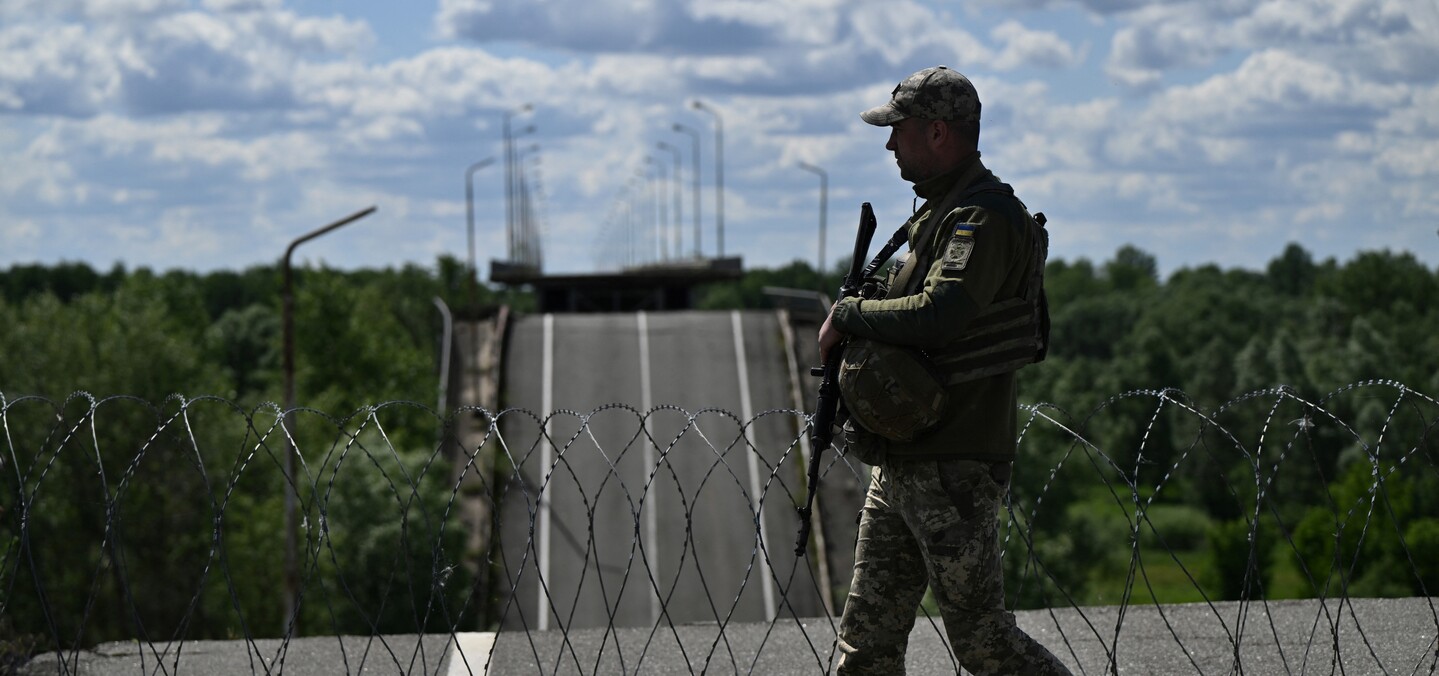
Source: Getty
The recent damage inflicted by Ukrainian drones and missiles on Russia has made Belarus aware of its own vulnerabilities—and surprisingly amenable to Kyiv’s demands.
Tensions between Ukraine and Belarus appear to have reached new heights. On June 18, Ukrainian President Volodymyr Zelensky issued Belarus with an ultimatum: remove relay stations helping direct Russian drones from along the Ukraine-Belarus border within one week, or Kyiv would take them out. Within days, Minsk appeared to have switched off the stations.
This sort of concession by Belarus is further proof that the balance of power in the Russia-Ukraine war is shifting. The realization that both Russia and Belarus are vulnerable to Ukraine’s long-range strike capabilities means Minsk can no longer be fully reliant on Moscow. If it wants to minimize the military and political risks to itself, Minsk must be prepared to make unilateral concessions to Kyiv.
Belarusian propaganda claimed that Zelensky had invented both the existence of the relay stations and the fact that they had been disabled. But there is considerable evidence that Kyiv’s threats caused Belarus to switch them off. On June 21, pro-war Russian bloggers complained about disruption to cell phone networks on the Belarus-Ukraine border. And on June 24, there were reports from Ukraine that there had been no Russian drone activity along the border for three days. That evening, Zelensky said the relay stations were no longer functioning.
Notably, contested Belarusian leader Alexander Lukashenko did not deny the existence of the stations. At a meeting with Russian officials, he said that following the ultimatum, he had met with a Ukrainian delegation and told them that Belarus did not want to be dragged into the conflict. The very fact that Lukashenko took part in negotiations with Kyiv (previous contact had been conducted via the intelligence services) showed he was taking the Ukrainian ultimatum seriously.
At the same time, Lukashenko opened three border crossings with Ukraine to allow Ukrainians to ‘collect berries and mushrooms in Belarusian forests’. It’s unlikely many Ukrainians will risk wandering into a minefield on what is effectively enemy territory. Moscow will also likely be irritated by the easing of restrictions on entry into Belarus, since Russia and Belarus do not have strict border controls between them. But Lukashenko was clearly desperate to make a gesture of goodwill toward Kyiv.
The relay station ultimatum is not the first time Minsk has shown restraint in the face of increasingly forceful rhetoric from Kyiv. In May, when Kyiv accused the Kremlin of preparing an attack from Belarus and pledged to respond by striking 500 targets in Belarus, Lukashenko requested a meeting with Zelensky. On June 17, when Russia said a Ukrainian drone had hit a bus carrying Belarusian children in Russia’s Bryansk region, Lukashenko declined to attribute blame for the attack until an investigation was complete. Finally, a week before the relay station ultimatum, Lukashenko showed uncharacteristic meekness when he admitted that Belarus was extremely exposed to Ukrainian missile and drone attacks. He also apologized to Zelensky for his previous claims that the Ukrainian leader was a drug addict.
It is not yet clear how Russia will react to Minsk’s newfound willingness to compromise with Kyiv. A meeting between Russian President Vladimir Putin and Lukashenko after the deactivation of the relay stations took place entirely behind closed doors. However, it appears Moscow will grudgingly agree to Minsk’s concession. Lukashenko likely argued the alternative was Belarus losing its status as a secure rear area for Russia and becoming an area where Ukraine could strike all Russia’s relay stations, as well as military targets, factories supplying the Russian defense sector, and two oil refineries that currently send fuel to a Russian market plagued by gasoline shortages.
It would not help Moscow much if Belarus did enter the war. The Belarusian army is unprepared for modern combat, and would likely suffer major casualties. Russia would be obliged to deploy air defenses to Belarus that it desperately needs itself. Finally, such a war risks being deeply unpopular in Belarus, and could destabilize the Lukashenko regime: one of Moscow’s few remaining allies in the post-Soviet space.
At the same time, Minsk’s appetite for compromise should not be overstated—particularly if the stakes rise. In his ultimatum, Zelensky also said he would like Belarusian defense factories and oil refineries to stop working with Russia. But these relationships are economically important for both Belarus and Russia, and giving them up would be humiliating, unprofitable, and dangerous for Minsk.
Accordingly, if Kyiv starts making such demands, the situation could escalate. Moscow could change its mind on pressuring Belarus to join the war. There could also be a resumption of Russian attacks on Ukraine from Belarusian territory, and even a confrontation between Russia and NATO. Ukrainian strikes against a Russian ally—in retaliation for providing military aid—could be used by the Kremlin as an excuse to target Ukraine’s European backers.
While Lukashenko’s calculation of risk has changed, that doesn’t mean he will always be ready to make concessions. Belarus’s dependence on Russia is difficult to overstate, and Moscow has many ways to bring Lukashenko back in line. Nor is Moscow on its knees militarily. Russia is a long way from the sort of imminent military defeat that might lead its allies to abandon a sinking ship.
Nevertheless, the relay station incident illustrates both the changing nature of the relationship between Kyiv and Minsk, and what happens when the power of Russia’s long-standing security guarantee begins to wane. Thanks to improvements in Ukraine’s drone and missile capabilities, Kyiv has managed to expose major vulnerabilities for which the Kremlin does not have a solution. Russia’s options for escalation in Ukraine are now almost exhausted. And if the Kremlin can’t find a way to respond to strikes on Moscow or the blockade of the annexed region of Crimea, it’s unlikely to do much if Kyiv does attack Belarus.
Moscow’s relentless focus on the war in Ukraine has reduced its ability to project power in Moldova, the South Caucasus, the Middle East, and Central Asia. Russia is currently demonstrating its inability to cope with the consequences of the conflict it unleashed. This is an important signal both for Russia’s enemies and its allies.
It’s likely that Lukashenko’s reaction to Zelensky’s relay station ultimatum foreshadows how Belarus will behave in the future. As Russian influence wanes, Minsk will need to step up its efforts to actively balance regional centers of power against one another in order to reduce the risks to itself.

Nonresident Scholar, Carnegie Russia Eurasia Center
Artyom Shraibman is a nonresident scholar at the Carnegie Russia Eurasia Center.
Recent Work
Artyom Shraibman
Artyom Shraibman
Carnegie does not take institutional positions on public policy issues; the views represented herein are those of the author(s) and do not necessarily reflect the views of Carnegie, its staff, or its trustees.

With its scattershot approach to enforcing internet censorship, the Russian regime risks losing a battle against the many Russians who have learned to evade online restrictions.

Maria Kolomychenko
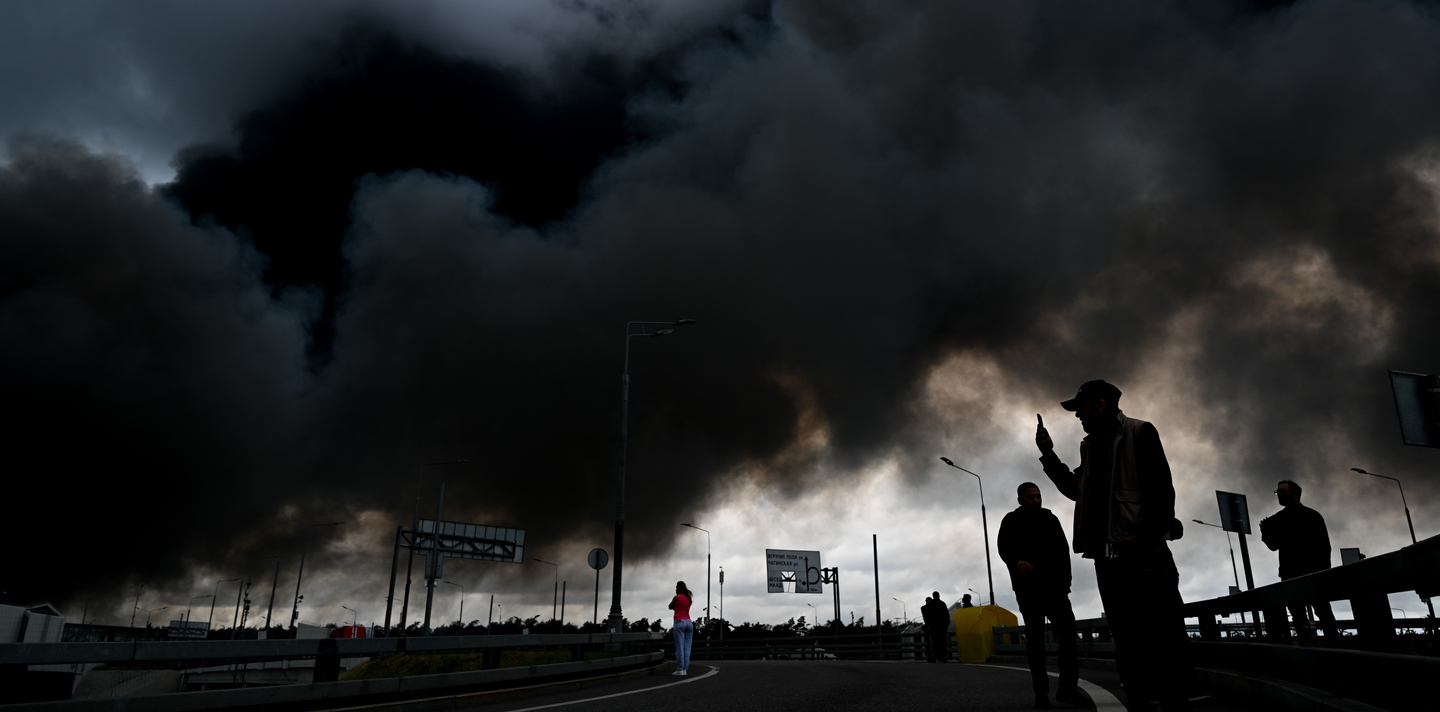
It is not a phenomenon unique to Russia that the public of a country at war (even the aggressor) enduring airstrikes will not overturn its government but rather show solidarity with it and blame its woes on the enemy.

Vladislav Gorin
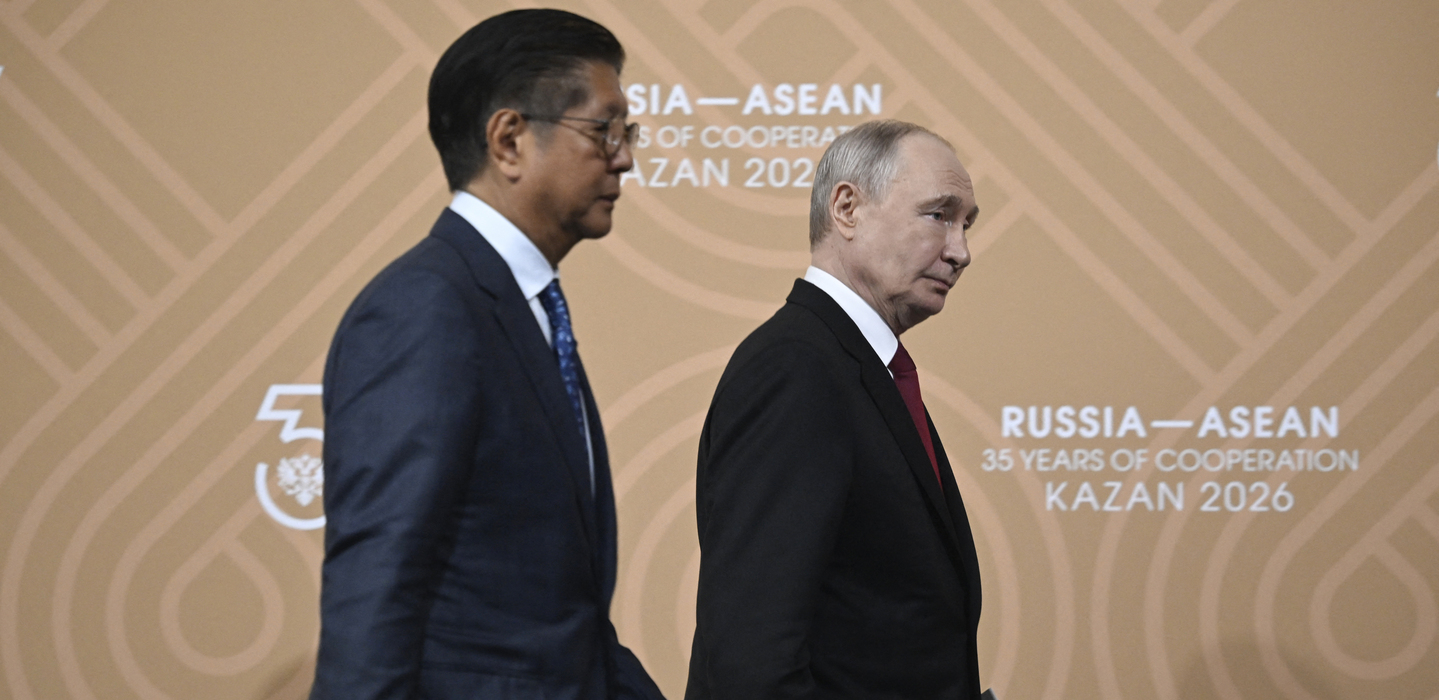
Russia looks set to reap economic benefits from closer ties with Southeast Asian countries that are keen to find reliable energy suppliers and diversify trade ties.

Alexander Gabuev

Ongoing uncertainty in the Middle East allows Moscow to both increase its influence in Tehran and continue to enjoy the financial windfall of higher oil prices.

Nikita Smagin
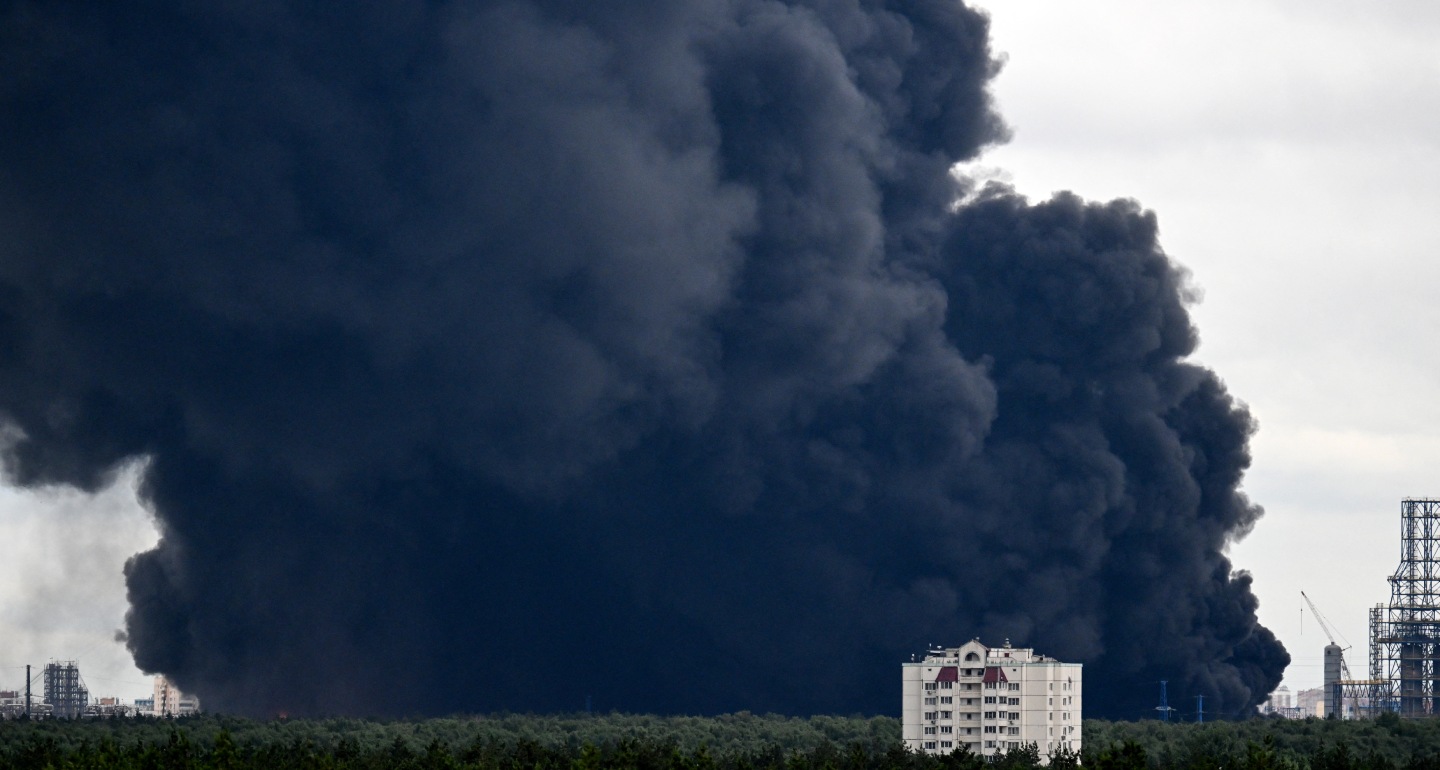
If it proves impossible for the Russian authorities to avoid a gasoline deficit, the question then becomes how they will organize the distribution of a scarce resource.

Sergey Vakulenko